Tuesday, April 22, 2008

Package Design Trend Update - Going Simple

I have talked a lot about how Hispanics like simpler package designed products...
On Sunday when I went grocery shopping I noticed that a significant amount of products are being redesigned. This time going simple. A lot of white backgrounds, Helveticas, sharp clean crisp imagery and less noise where very evident. 

Why this trend? I am not sure, but I can assume that after a long period of time of too marketed products, less quality, more quantity, good enough design...too heavy in message, brands want to clean their face and show a more modern, less cluttered image. 

This comes in perfect time when Hispanics represent the biggest minority in the USA with a huge buying power and when the planet is going green. Happy Earth Day!

Wednesday, April 16, 2008

How to Tailor Target the Hispanic Market

NEW YORK CITY (Mediaweek) March 3, 2008 — It might seem at first blush that a scattershot approach is the most effective. But instead of carpet bombing, veteran Hispanic shops suggest another metaphor: weaving a delicate tapestry. That's because far from being a monolith, Latinos are a diverse group with a myriad of ethnicities, voices and economic groups, and so is the marketing plan to reach and connect with them, veterans say. Good examples of this are two very disparate campaigns from one agency, Conill Advertising, New York, on behalf of two very different car brands, Toyota's full-size Tundra pick-up truck and Lexus. Tundra is a high-volume seller among Hispanic males in the Southwest who are Mexican immigrants characterized as Jefes, local heroes who are considered pillars of strength in their communities. To reach that consumer, Conill devised a plan that would rely on El Jefe's penchant for regional Mexican music and the national Mexican sport of charreadas (rodeos) to prove the Tundra is as tough as the guy who gets behind the wheel. 

"Because the numbers were so high in this particular cultural group, we saw it as a phenomenal opportunity to be able to dig in deep into cultural heritage and to get into the charro culture and the 'Tundrazo charreadas,'" said Cynthia McFarlane, president, Latin America, at Nazca Saatchi & Saatchi and CEO/chairperson for Conill.

Tundra led an effort to give charreadas a domestic audience, paying homage to the consumers' Mexican rodeo tradition and launching Tundrazo Charreadas and a Tundrazo Music Tour, McFarlane said.

As a result of the campaign, which combined traditional tactics—such as TV and print—with the experiential strategy, the Tundra grew its market share and increased the number of registrations in key markets where Tundrazo events were held, Conill said.

Conill's push for another Toyota unit, Lexus, couldn't be more different. The agency sought to conquer the luxury market in Miami to reach affluent Hispanics, who are considered less acculturated but very wealthy and who appreciate art and culture. 

With that in mind, the approach relied on TV for a more traditional product-focused message as well as experiential marketing and events centered on art and design to appeal to Hispanic Miamians. 

For some perspective from the art world, Conill joined forces with local artists Hector Catá and Christian Duran, and asked them to create their view of "the pursuit of perfection in South Florida" with plugs here and there for Lexus.

The agency's collaboration with the artists resulted in a brightly displayed print campaign that had long-term placement in the lifestyle magazine, Ocean Drive en Español.

McFarlane says her shop has seen positive results with experiential marketing, which she considers the best way to reach sub-segments within the Hispanic culture. 

"It allows you to cut very finely the audience you are trying to get to and reach them with more one-on-one marketing," McFarlane said. "When you go mass media, you have to cast a much wider net and you can't get as culturally or as sub-culturally specific."

In Miami, the Conill effort has helped to move Lexus from the fourth-ranked player in the luxury market to the leading vehicle during an 18-month period, McFarlane said.

Conill's vision of an intricate Hispanic audience target corresponds with a recent Nielsen PreView study out this month titled, Why Market to Hispanics? The report acknowledges the extreme diversity of the Latino market, concluding, "Bottom line, there is not one type of Hispanic consumer but many to market to."

The study suggests that marketers who successfully "dissect their Hispanic consumer base on a scale of acculturation" will be best positioned to reach their targets.

Veteran agencies and media execs concur that more culturally relevant content and messaging that addresses sub-segments of the Hispanic population is the best approach. Another component is crafting advertising and marketing messages that conform to the lives that Hispanics in 2008 actually live.

"That's what is taking us to the next generation of Hispanic marketing," said Alex López Negrete, president and CEO of Lopez Negrete Communications, Houston. "It forces you to really take a look at whether or not the work is truly 'in culture.'" 

López Negrete has discovered this evolution in Hispanic marketing as he and his team work with clients Tyson Foods and Sonic Drive-In, developing creative for TV spots that target Latinos via media and with messaging that recognizes the dualities of their lives.

For instance, a TV spot for Tyson features a family that pays tribute in a campy song and dance number to their mom for serving them a home-cooked meal of Tyson's chicken that they all enjoy and spared her some kitchen-time, giving her the best of both worlds: preparing dinner for her family and using a product that is already cut, trimmed and ready to place in the skillet. 

Similarly, a Sonic Drive-In ad conveys the easy-breezy convenience of pushing the call button to order when ready, which lets customers know there's no pressure to order immediately and they can do so at their leisure. When the order is served up car-side, the group is magically transported to a carefree beach.

López Negrete said developing Hispanic-targeted content for TV spots or a full campaign today means understanding the nuances of what and where Latinos are getting their advertising messages. 

"There's a big chunk of this customer base who is consuming mun2, MTV Tr3s, maybe watching SíTV, then will bounce over to [ABC's] Ugly Betty, then tune into [CBS'] Cane and go back over to her novelas, so that's where the message has to be relevant and in culture," López Negrete said. 

As a result, he says, the marketer's message will change.

"Rarely, now, if you have client who is committed to the segment, and a client who is ready to invest in the segment appropriately, you may have one overlying brand message that works for everybody," López Negrete said. "But when you start getting tactical and into promoting specific products, or specific lines of business, that's where one message may not work."

From the vantage point of the marketer/content provider, as is the case with ESPN Deportes, the idea of multitiered and segment marketing has a similar approach, though it also relies on such factors as regions of the country or ethnic-specific programming since the audience is largely male and is watching/listening in Spanish.

"In our space, which is sports fans in general, there are various sports that are more appealing to viewers in certain countries, so we have a broad landscape where we look to satisfy the needs of all sports fans," said Lino Garcia, general manager of ESPN Deportes. 

Within the Hispanic viewing audience, Garcia pointed out, "There's the Mexican market and then there's the rest of the market, given the large percentage of the overall market that is Mexican or of Mexican descent."

The No. 1 sport among Mexican viewers is Mexican soccer, Garcia said, so they serve this audience by programming to them specifically while balancing that with programming for all of the various Latinos.

"We cut across ethnicity when we offer programming such as UEFA Champions League and we do the same thing with American sports," Garcia said. "But when we look at specific geographies and cultures, Mexican soccer, Dominican baseball and Winter League Baseball, which is more Caribbean, lends itself to more regionalized programming."

Ultimately, Garcia said the cable network's approach comes down to "finding the right mix of programming to appeal to a national audience, then segment that with programming that we know will have a regional appeal and that will cut across to serve the Hispanic's largest segment." 

ESPN Deportes marketing director Maribel Viteri said the network takes the same approach with its marketing, utilizing a national multiplatform message that can be drilled down for use in local markets.

"We focus on going national with a lot of what we do," Viteri said, "But when we have an opportunity to push a campaign even further to a local market, we're able to reach the most local fan."

Monday, April 07, 2008

Campaña controversial de Vodka

Es interesante ver como asuntos culturales como la historia y nuestro pasado influyen en nuestras acciones y se reflejan hasta en campañas publicitarias miles de años despues. Temas que ya no parecen relevantes pero que cada vez lo son más. 

Wednesday, April 02, 2008

On Spanish Royalty - I see less of Letizia this days

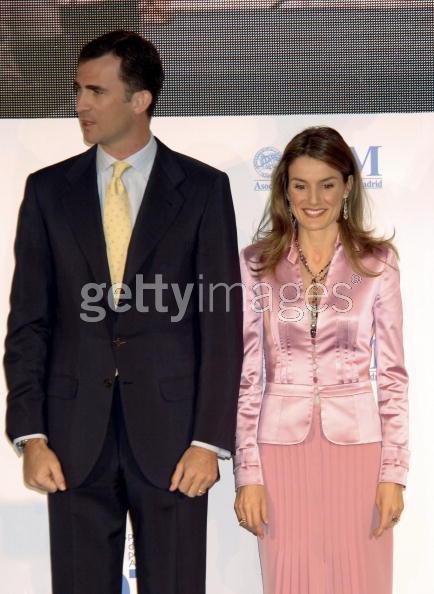
For some reason I see less articles about the Princess of Asturias, Letizia Ortiz in the news. Could it be that she is so skinny that the Royal House has asked the media to cover a bit less of her activities. I really don't know. In conclusion she is a very nice lady and it would be nice to know what she is doing either at home with her kids or in her Royal duties. I guess it isn't enough for me to see only tiny pictures at casareal.es. Vale.

On Hispanic Packaging Design - Current Thoughts

I always like to dig in my supermarket for rare or unseen details about in packaging. It is hard to say yet what a specific formula really appeals to this market. So far what I have seen is bilingual packaging and in this regard I see it more everyday in many other categories than packaging. Two years ago I thought, this trend is going to burst in a day. Everybody is going to make its packaging bilingual, but I think making it takes time to digest first and then do.

Monday, September 03, 2007

This blog will be Bilingual - Este blog será bilingüe

It's been a long while since the last time I posted some news or comments. Today, in my search for a blog that contains news about the new young royalty in Spain I found none, so I decided why not post or repost news from different media so there is only one place to go to....?

Han pasado muchas lunas desde la última vez que publiqué algun comentario o noticia aqui en el blog. Estuve pensando que porque no hacer este bilingüe también. Como siempre en mi búsqueda de noticias frescas acerca de la realeza jóven de la Casa Real Española no encontré ningun blog que publicase una colección diaria o constante de ellos. Asi que trataré de publicar o republicar noticias de nuestros queridos Principes de Asturias.

Friday, March 30, 2007

Marivi - inteviewed for Beauty Packaging Magazine

Here is the article that includes Marivi Chong editor of as one of the knowleadgeable professionals in the Hispanic Market. The artcile is by Leah Genuario and includes quotes from Juan G. Tornoe from Hispanic Trending.com as well as from Stephen Palacios executive vice president of marketing at Cheskin.

"The U.S. Hispanic Beauty Market
Brand marketers recognize the importance of connecting with the
U.S. Hispanic population through products, packaging and marketing.
anner for LatinWorks, a Hispanic advertising agency in Austin, TX.


The Caribbean Sea serves as inspiration for Activate Beauty’s packaging.
The face of America is changing and brand marketers in every industry are recognizing the vital importance of connecting with this growing population. The Hispanic population jumped over 50% from the 1990 U.S. Census to the 2000 U.S. Census, with no signs of slowing. The latest census revealed that 12.5% of the population—35.3 million residents—is Hispanic.

Buying power has also seen a dramatic rise. Hispanic buying power was estimated at $768 billion in 2005, according to market research organization Packaged Facts. “Spending power has grown at a significantly faster rate in the last five years than other sub-groups,” says Stephen Palacios, executive vice president of marketing agency Cheskin, Redwood Shores, CA.

“This is attributed to higher incomes,” says Tornoe. “They have money left in their pockets to buy what they want from American corporations. And their children are getting better educations and better jobs.”

And even better news for the beauty industry, Hispanics are particularly interested in spending money on beauty products. “We know from our research that Hispanics over-index the beauty category. They purchase at a higher rate than normal,” says Palacios.

Big Beauty Beneficiaries
Spanish-language magazine Siempre Mujer recently released its Best of Beauty feature, highlighting the editor’s picks for the 50 best beauty products. The list was compiled by gaining insight from beauty experts, celebrities and best seller lists. Brands that made the list represent a Who’s Who in the beauty industry—L’Oréal, Estée Lauder, Cover Girl, Mary Kay, Dove and Pantene, to name a few.


R.BIRD created the Amaya brand to appeal to the Latina consumer.
Interestingly, the majority of products were from international brands produced for the general market. Very few brands—arguably two—had roots that traced back specifically to the Hispanic community. This should not come as a surprise, experts say.

“You don’t have any idea how much influence the U.S. has in Latin America. Residents are exposed to all of the media—they are aware of the brands,” says Tornoe. “When they come to the U.S., now they have the money to buy the brands that were just inspirational before.”

“American brands, particularly glamour and beauty brands, are more aspirational. They are better known, they are better advertised, and they signify levels of status and success. A lot of this market came to the country for aspirational reasons of self improvement. To be able to purchase a well-known brand is very desirable,” says Palacios.

Capitalizing on their popularity in Latin America, some brands take heed to reach out to Hispanics in the United States as well. Unilever’s Sunsilk brand, for example, is the number one selling hair care brand in Latin America. When the brand launched in the U.S. in 2006, it offered Hispanic consumers two specifically-targeted collections in addition to its general product line.


According to Unilever, Sunsilk is the number one selling hair care brand in Latin America.
“Sunsilk is the first major U.S. brand to include Hispanic-specific variants at launch, with two collections designed specifically to solve the unique hair needs of Hispanic women—Anti Esponja and Anti Caída,” says Sarah Jensen, director, U.S. Hair Care, Unilever.

The two collections are housed in ergonomic, brightly-colored packages that feature a picture of a Latina. Text on the bottles is bi-lingual.

Sunsilk has extended its general-market line with two specifically-targeted Hispanic collections, although this is not the norm for major beauty brands. Rather than launching Hispanic-specific products, beauty companies increasingly incorporate Hispanic interests into general market products, using Latin-inspired line extensions that have a universal appeal.

“What I see is an adaption or a line extension of a mainstream brand that can appeal to an American living in Idaho or a Latino living in New Mexico—something I would call Inclusion Product Strategy rather than Exclusion Product Strategy,” says Mariví Chong, design associate for design consultancy R.BIRD, New York, NY, and manager of the ¿ask mariví? website.

OPI, for example, launched its Mexico Collection of nail and lip shades last spring. “We were inspired by the gorgeous hues seen in daily Mexican life—the hand-painted tiles with touches of cobalt, the brightly colored doorways, the muted shades of sun-baked pottery, the vivid embroidered blouses, the bold red chilis,” says Suzi Weiss-Fischman, executive vice president and artistic director.

The line was marketed to the general public, but received a good response from Latinas, according to the company.

Westlake Village, CA-based Jafra Cosmetics, with a large Hispanic following, also incorporates Hispanic preferences into general lines.

“We don’t necessarily develop specific products for the Hispanic population. Although some key findings are their preferences for strong fragrances and vibrant color shades, which then become part of our global product line,” remarks Melba Ríos, vice president of sales for the Hispanic Division.

Room for Niche Brands
Although global brands have a big opportunity among Hispanic consumers, there is a smaller, but healthy market of ethnic-specific brands. While general-use health and beauty products purchased by ethnic consumers are valued at $6 billion, ethnic-specific health and beauty brands still have an estimated value of only $1.5 billion, states Chicago-based Euromonitor International in a 2005 report called Changing Ethnic Mix: Impact of Immigration and Ethnicity on Consumer Market Demand to 2010.

Ethnic-specific brands are clearly the underdogs in the race for the ethnic consumer, but they do serve value, especially in certain beauty segments. “Hair and skin care are the cosmetics and toiletries that are most relevant to ethnic consumers and offer the greatest potential for niche product development, due to physiological differences between races,” states the report.

Activate Beauty, for example, is a hair care brand that was launched by a group of Latinas for Latina women. “We launched with seven products that address the different hair types that Latina women have. Typically, we have thick, coarse hair that is drier and more difficult to manage,” says Jacqueline Chariff, president and chief executive.


Ouidad for curly hair is popular with Latinas. While not exclusive to the Hispanic market, the company now advertises in Latina magazines using Latina models.
The products are distributed at mass-market chains such as Rite Aid and Walgreens in high-Hispanic areas. With targeted grassroots marketing and partnerships with magazines such as Cosmopolitan en Español, the young company has realized a number of successes and its distribution continues to grow.

Other brands have found that their niche is especially attractive to Hispanics. Ouidad is not an ethnic-specific hair care brand, but its focus on curly hair makes it a favorite with Latina women—an ethnic group that frequently has wavy or curly hair, says the company. The brand has taken out ads in Latina magazines in the past and currently features two Latina models in its advertising campaigns.

Connecting Through Packaging
Although there are arguably some physical characteristics that are typical of Hispanics, it is not the largest common denominator. “There are few [physical appearance] things that are specific to our race in particular,” says Javier Escobedo, managing partner for Olé, a Hispanic advertising agency in New York City. “What brings us together is the language.”

Perhaps the most notable characteristic of packaging that targets Hispanics is the inclusion of the Spanish language. Many beauty brands now include Spanish on packaging. But is it always necessary?

“About 1/3 of Hispanics are dominantly Spanish-speaking, 1/3 are bi-lingual and 1/3 are dominantly English speaking. In terms of packaging, the more mass, lower-end your product is, the more important bi-lingual packaging is,” says Escobedo, citing the fact that new immigrants—who tend to speak exclusively Spanish—cannot usually afford expensive products.

Bi-lingual packaging is also more important when the product is complicated to apply. “Bi-lingual packaging typically benefits when it’s a complicated value proposition. Lipstick, for example, is not complicated. Does it need instructions in Spanish? Probably not. But if you have a beauty product [with a level of complexity associated with product use] then bi-lingual instruction or direction can be helpful,” says Palacios.

Despite the widespread use of the Spanish language within the U.S. Hispanic population, experts caution against eliminating English altogether in Hispanic-targeted products.

“Spanish-only packaging takes a big chance of not being understood by Hispanic-Americans who only speak English and by the rest of consumers who may be interested in the product but do not understand it. It is not effective at all,” observes Chong.

When adding Spanish to packaging, translation is of the utmost importance. “I have seen carelessly translated product names,” adds Chong. “Mistakes can be avoided by hiring a translation professional and checking the spelling. Note that depending on the country of origin, many words do not mean the same.”

Aside from incorporating Spanish, there are other ways that packaging can resonate with Hispanic consumers. One way is through strategic use of color. Activate Beauty, for example, packages its products in bright turquoise. The color was chosen as a reminder of the Caribbean Sea.


Jafra’s research indicates that Hispanic customers often prefer stronger scents and Jafra has incorporated them into its global line.
Chong cites a packaging example from the food industry. “Color can remind consumers of products found in their country of origin,” he says. “A good example is Comidas Caseras, a new line of ready-made meals inspired by popular Latin dishes…primary and secondary colors such as bright red, yellow, green and orange give a sense of friendliness.”

Finally, appropriately used images can connect with Hispanic consumers. Images depicting close relationships among family and friends, for example, often work well on packaging and within advertising campaigns. However, “you have to be very careful not to be stereotypical,” cautions Tornoe.

Chong provides an example of a “cultural misunderstanding” in the wine industry. “[The brand] claims to celebrate the passions, interests and faces of the Hispanic community, but it stereotypes and portrays Hispanic people in tasteless situations such as a woman getting overly excited and a couple in a suggestive position…not all Hispanics are party driven,” she says.

The Personal Connection
Packaging is not the only way beauty brands are connecting with Hispanic consumers. “Purchasing beauty products through a catalog is very popular among Hispanics,” says Chong. “Many Hispanic women tend to buy from someone they know or someone who has personally recommended and presented the product to them.”

Recognizing this trend, Jafra Cosmetics set up a separate U.S. Hispanic division in 1995 to specifically address the needs of its Spanish-speaking consultants. “We spend extensive time and effort seeing our 48,000 Spanish-speaking consultants face-to-face. It’s about being emotionally and physically connected and in tune with what our consultants need,” says Ríos. “The success of Jafra’s Hispanic consultants can be attributed to understanding that family, brand loyalty, income opportunity and recognition are key factor ingredients.”

Jafra Cosmetics offers Spanish-language training and marketing materials, in addition to live support with Spanish-speaking employees. Its product packaging is bi-lingual and the company also advertises on Spanish-language television and in magazines.

Direct sellers aren’t the only ones who can benefit from the preference for a personal connection. Many brands are hoping product recommendations from Latina stylists wield as much influence as friends-turned-sales representatives.

In December, Pantene launched its first ever contest for the “Hair Stylist that Shines in the Community.” Pantene partnered with salons throughout the country and is encouraging Latinas to nominate exceptional Hispanic stylists.

“Latinas have an especially strong bond with their hair stylists and we wanted to do something to honor that. This contest is an opportunity to celebrate that relationship and to also support small businesses in the Hispanic community,” says Mayra Pollock, brand manager for Pantene U.S. Hispanic markets and Puerto Rico.

Hair care brand Joico presented several products to a large audience of Latino licensed cosmetologists at the Paramount Runway Show in New York. The presentations were given in Spanish. “The majority of our models were of Latin descent with thick, coarse, dark hair,” says Joico artist Giovanni Villalba.

Joico also uses Spanish speaking collateral material and its packaging is bi-lingual.

Activate Beauty has also teamed with stylists, introducing a celebrity hair dresser tour to Wal-Mart stores. “We are taking our hair dressers to interact with the public. These are the types of grassroots things that are making a difference in the growth of the brand,” says Chariff.

Emotional Connections
In addition to packaging and personal connections, successful marketing campaigns also require relevant emotional connections.

“For Hispanics in general, promises don’t work very well. We have seen a lot of beauty ads that don’t connect with Hispanic people,” says Escobedo. “It’s about building the emotional connection. The perfect ad is one that goes beyond saying you’ll have silky, smooth skin. It’s saying that you’ll appreciate this soft skin when your kids kiss you…it will make you feel better as a mother. The emotional benefit is incredibly important.”

The Dove Real Beauty Campaign has been intentional about emotionally connecting with Latina women. In The Dove Report, released in 2004, research revealed that more than 60% of Latinas are happy with the way they look. The report also showed that Hispanic women desire a wider definition of beauty: these findings resulted in an excellent transition into conversation about real beauty and The Dove Real Beauty Campaign.

The Importance of Research
Whether a small or a large beauty brand, experts stress the importance of knowing the target audience before attempting to reach them.

“Hispanics are a market that draw from 25 countries both inside and outside of this hemisphere. Hispanics come in all different shapes, sizes and colors. How to target them is based on appropriate segmentation. In some instances, the complexion of a certain segment of the Hispanic population would require a different formulation or color palette. For others, it wouldn’t. There are a certain percentage with English skills and a certain percentage without,” says Palacios.

“When you say the word Hispanic, it involves so many different backgrounds. It’s such a diverse group,” says Tornoe.

Given their diverse nature, extensive research is necessary to effectively reach the group. “I’ve seen many people not budget right or allow enough funds to do consumer research. Don’t skip steps. Make sure you have appropriate consumer understanding and insight gathering. If you don’t have these two things, it will be difficult to be successful,” says Escobedo. -

Thursday, November 09, 2006

Paulina Rubio's new website

Paulina Rubios's new website its just amazing! you have to visit it. The illustrations and themes she has chosen are very neat. It all looks like a fairy tale book, buy with adventourous things. I think it has been worth it to wait until she launched it this year.

Paiting is expensive, Contractors More!

I have been lost of the blog for a long time. Busy Busy working and dealing with everyday life like everyone else I think.
This days I have been thinking that I want to focus more this blog on other interesting things too....
For example I want to share my experience dealing with contractors. My home apartment has plaster walls. Old ones and they crack, they start fallin apart with humidity and heat. Take into account the amount of years and layers of paints my walls have. Well, in search for perfection and to do things right, I hired a contractor who is making the walls look nice and even and will also do some painting.....I dont know about yoy the rest of mortals out there buttttt, this is so expensive to do!!! of course if you hire somone to do paint and fix for you. Anyway most contractors will exagerate what the place needs to have done....this experience is very similar like when you take your car to get it services...."ypu know mam' but its time to change the timing belt, change the filters etc etc" many extra things you really need to get done. In conclusion look for as many estimates you can so you can compare them and then make a desition.

My place is looking nice, but I will have to clean a lot. Good luck in your home renovation!

Friday, June 23, 2006

Rumors of Princess Letizia of Asturias Anorexia

Here is an article in Spanish that talks about that the most recent topic of discussion in Spain is Letizia's anorexia. It is not confirmed, but her extreme thinness makes people talk.

From Cronica

Here is another interesting article

From El Mundo: Letizia padece el mal de las princesas

Casa Real says Letizia does not suffer from Anorexia

Tuesday, June 06, 2006

Realeza: La Princesa Letizia recicla su vestuario


Nuestra querida Princesa Letizia Ortiz, Princesa de Asturias, usualmente repite los conjuntos sastres en diferentes eventos y ocaciones. No sabemos porque lo hace tan seguido. Quizás porque la Casa Real Española tiene un presupuesto bajo asignado a ella o porque simplemente le gusta sacar el jugo a la ropa que tiene. Aqui vemos en esta foto de Getty Images, que Letizia está luciendo un traje rosado claro de su repertorio del año 2005.
-
Our loved Spanish Princess Letizia Ortiz usually likes to recycle her wardrobe. It is a mystery why she repeats very frequently her suits. I wonder if it is because the Spanish Casa Real has a small budget asigned for her. In this image we can appreciate a suit she wore last year.
Enjoy!
Images: Getty Images

Música: Hombres G y El Canto del Loco

Para Uds que aman la música en Español como yo, aqui una entrevista de los Hombres G y El Canto del Loco del Diario El Mundo de España. Disfruten.

Sunday, May 21, 2006

Honduras - Colorful Carnival Celebrations


Since I have a friend from Honduras who is very nice, I want to dedicate this post to him.
-
From El Diario El Mundo
El Carnaval de la Ceiba, en el norte de Tegucigalpa (Honduras), reúne todos los años a miles de personas en una gran gala de música, magia y color. Le llaman el gran Carnaval de la Amistad, y se celebra cada año en honor a San Isidro. (Foto: AP)

Sunday, May 07, 2006

Events: ALMA Awards in Los Angeles, USA


Here is a nice picture of one of our favorite Latin Stars; Paulina Rubio, who is wearing a pair of green dressy shorts, a lace-cotton white tank top and a crochet summery sweater.
¡Disfruten!.
Photo: Getty Images

Friday, May 05, 2006

Modas y Realeza - Diseñador Alfonso Domínguez, será homenajeado en Miami


Para los que seguimos la moda y porque no a la Realeza Española tambien, es de interés saber que Adolfo Domínguez será homenajeado en Miami. - Recordemos que Letizia Ortiz, Princesa de Asturias vistió varios conjuntos sastre cuando trabajaba en televisión y tambien lució un saco negro de Adolfo en una se sus primeras presentaciones/paseos por España antes de casarse con Felipe de Borbón, Príncipe de Asturias.

Aqui va el texto del Diario El Mundo de España. Disfruten.
Foto: Antonio Heredia
Texto Parcial: El Mundo

-
EFE
MIAMI.- La feria de la moda de Miami rendirá este año un homenaje al modisto español Adolfo Domínguez además de presentar las colecciones de la Primavera 2007 de más de 40 diseñadores internacionales, informaron los organizadores.

La 'Miami Fashion Week', cuyo fin es convertirse en una plataforma internacional de diseñadores latinoamericanas, celebrará su próxima edición del 6 al 9 de mayo.

En ella se le otorgará a Adolfo Domínguez un premio en reconocimiento a toda una carrera dedicada a la moda.

El hombre, la marca y el sello de elegancia que otorga Adolfo Domínguez a la moda ha colocado al diseñador como uno de los conquistadores del mundo de la costura y la pasarela.

"Adolfo Domínguez fue el primer diseñador español en lanzar su propia línea de fragancias en los años 80; se concentró en la confección de sus colecciones y en crear un producto de calidad para un mercado global, y ahora posee más de 200 tiendas que llevan su nombre", dijo Beth Sobol, fundadora del Miami Fashion Week.

Además, "ha logrado lo que todos los diseñadores jóvenes desean: el reconocimiento de una marca y fuertes ventas".

El evento, que celebra su octava edición, se llevará a cabo en el Centro de Convenciones de Miami Beach, que acogerá los trabajos de diseñadores de más de 15 países.

Entre las caras nuevas que presentarán su trabajo están el diseñador venezolano José María Almeida, la colombiana Cecilia Pérez, el egipcio Mohamed Dagher (ganador del Premio Pierre Cardin, en París), o D'Lorisan, de Rusia.

Artistas de la costura como Leo Koel de Colombia, Mirla Sabino de Brasil, Francis Montesinos de España, Nicolás Felizola de Venezuela o Miki Nembhard de Jamaica, mostrarán también sus trabajos.

Friday, April 28, 2006

US National Anthem in Spanish? - Please no!

I do not agree at all to the idea of having an anthem translated in Spanish. I do not like this idea even if it was a joke, but I guess British music producer Adam Kidron does not think like me.
-
Here is an article from MSNBC. "Bush: Anthem should be sung in English".

Monday, April 24, 2006

La Mujer de Mi Hermano Movie - Bad Film

Con que decepcion he visto la pelicula La Mujer de mi Hermano....en vez de contratar actores peruanos o actores sin acento especifico, me encontre con una pelicula con acento Mexicano, sin personalidad, sin lugar donde ocurren los hechos a ecepcion si uno es curioso y de buena vista que la lapida que se muestra en una de las escenas dice "Mexico D.F"....los actores fueron un mix de todos los paises, Manuel de Colombia, Christian de Peru, Barbara de Mexico, Beto Cuevas de Chile y una actriz extra de Venezuela. Que confusion para el expectador Latino, un mix de acentos de posiciones forzadas. Si la intencion fue hacerla mas "internacional" creo que fue el error mas grande.....

continuo manana...

Friday, April 21, 2006

Lima - Peru, Great People, Awesome Cuisine & Long Lunches.

Here is an article from the NYTIMES that describes amazinlgy how is the vibe in Lima, Peru. How "in" restaurants are always crowded like if there was no economic problems, like if people had forever to take lunch, like frienships, socializing and having long chats were more important than anything and like to be seen in a fashionable place is a must.
Enjoy this great article.
-

By By ANN MARIE GARDNER
April 16, 2006

YOU feel the buzz as you approach La Mar — in a smart industrial-gray cement building in a neighborhood of auto body shops. Chauffeurs line up around the block and stand outside their cars after dropping off the sunglassed socialites who stream down the entrance walkway. Bamboo lines the path like paparazzi, and everyone turns to see who's arriving. The upbeat music of the Colombian pop group Aterciopelados blasts from speakers overhead. It's a party, but what could be going on now, at 1:30 on a Tuesday afternoon?

nside, attractive Peruvian 20-somethings drink pisco sours at the bar, ogled by slick-looking men dressed in black and wearing black Gucci sunglasses. Businessmen in suits eat plates of raw fish while the crowds lining up at the hostess's stand scan the surroundings for empty tables.

The open dining room feels more like an outdoor terrace: sheltered with leafy palms, roofed with bamboo and partly open to the sidewalk. Everyone appears to know everyone, and you'd think you had dropped in on the most exuberant party at the beach, although it's unlikely you would find such impeccable service, or ceviche served in martini glasses, at a beach joint.

In a country where the restaurant scene is in full gastronomic swing, La Mar, in the prosperous district of Miraflores, is the most exciting new spot, embodying a cuisine that is bringing together disparate ethnic influences both on the dinner plate and in a new national pride. The owner is Gastón Acurio, a celebrity chef who also runs the more formal Astrid y Gastón with his wife, Astrid. Perhaps it is because he is the son of a former prime minister and senator, Gastón Acurio Velarde, that Mr. Acurio holds an avid interest in the power of culinary success to bring not only international recognition but also, by extension, a feeling of national identity that can move Peru forward.

"Food is becoming a powerful symbol of what we are, and the most important thing about our food is the mixture," Mr. Acurio said. "We are proud of that mixture now." The word that describes their mixture of Andean, Spanish, Italian and Asian — in both food and culture — is criollo.

"The moment we became as proud of what we are as we are of our food," Mr. Acurio said, "is the moment the country can turn."

Eating is the gateway to Lima's social scene, and one day and night, beginning with lunch, is enough to get a feel for the social landscape.

In the same way Americans eat sandwiches for lunch, Peruvians eat ceviche (raw fish soaked in lime juice) or other fish. La Mar is a cevichería, one of hundreds in Peru. Like other cevicherías, it is open for lunch but not for dinner. "Seafood is for lunch, " Mr. Acurio said. "A long time ago, you would get sick at night from the raw fish, so it became a habit at night to eat meat and pasta."

Mr. Acurio styled La Mar after a neighborhood spot called Sonia. "I wanted to keep the basics of the classic rustic cevichería," he said. "You don't need to find wonderful food only in pretentious restaurants."

La Mar's enormous sea-blue menu is arranged like a sushi menu: it starts with raw fish and works into tempuras and entrees of rice and cooked fish. The ceviche of raw Dover sole is served in the typical Peruvian style, with sweet potatoes and pieces of corn, the sweetness offsetting the acidity of the lime.

At the original Sonia, in the beach neighborhood of Chorrillos, customers sit at simple wooden tables in a colorful blue and green room. A slatted bamboo roof lets in light. The walls are hung with fishing nets and photographs of the owner, Sonia Baramonde, with luminaries including the chef and food writer Anthony Bourdain. ("Lunch in Lima is exciting and very sophisticated," Mr. Bourdain said. "It reminds me of the daytime version of Barcelona food culture — it is very metropolitan.")

The fare at Sonia's is fried calamari and ceviche, plates of rice and Inca Kola or chicha morada, an extremely sweet blue corn drink that is an acquired taste. Lunches are loud and energetic, with platters passed around tables and people eating off one another's plates and drinking Cusqueña beer (supposedly made with the best water from Cuzco). Lunch goes on for hours, and while the food is less remarkable than La Mar's it is equally fresh, and the restaurant draws a fashionable crowd.

Another boisterous lunch scene can be found at Canta Rana, just north of the city in the trendy neighborhood of Barranco. Soccer memorabilia covers the walls, and a handsome crowd munches corn kernels and drinks Inca Kola while waiting for scallops Parmesan. Some patrons eat, walk around the neighborhood and then come back and join another table, or linger and order a second lunch.

After lunches that are this much fun, one might think Lima night life would be disappointing. But it's a whole other world, with a whole other menu. Jaime Barco, a lawyer who grew up in Lima and is part of the Peruvian party set, described the night scene as "better than Santiago and worse than Buenos Aires."

Mr. Barco was having dinner one night in Barranco at LA 73, named after the bus stop across the street and considered very cutting edge in conservative Lima. In a room with subway-tiled walls covered in art posters, cool-looking artists dine on novo Andean dishes next to aristocratic bohemian families from the neighborhood. The manager, Marco Pacheco, said: "We try to combine gourmet food in an informal atmosphere. Typically, people eat here around 9 and then go to parties or clubs afterward." LA 73 serves delicious strudel de carne, a flaky pastry enclosing rich meat spiced with hot pepper and what tasted like cinnamon. The house dessert is churros, fried dough in sugar dipped in hot chocolate sauce.

After dinner, the Lima party crowd goes dancing. At Café del Mar in San Isidro, one of the most happening spots, a restaurant turns into a lounge with electronic music after midnight. Another favorite place, El Dragón (within walking distance of LA 73) is more off-piste — an underground jazz club with live music and an atmosphere that's industrial meets tiki lounge: cement floors, red lacquered posts, exotic lighting and beautiful waitresses.

The real late-night scene is a rave scene. For some reason, Lima has taken to putting on electronica raves similar to what was happening in London nearly 10 years ago and with a lot of the same D.J.'s — Oakenfold, Fat Boy Slim, Digweed. You can usually find one rave party each weekend, with information passed around by word of mouth. Tickets are sold only the day before, and it's easier to get them if you know someone, but a Web site for the rave season lists the expected D.J.'s and the schedule. In March and April, night life picks up again because wealthy Peruvians return from the nearby beach town of Asia, their version of the Hamptons. The raves are often at Gótica, a popular discothèque in Miraflores.

t 3 or 4 a.m. the crowd disperses for — guess what? — more food. The routine is to stop at a sandwich place before going to sleep, partly in hopes of avoiding the next day's hangover. A popular spot is Super Rueda, near Gótica.

The Lima restaurant scene, vibrant because of criollo, opens the door to a broader picture of Peru and the Peruvians.

"It's all in the mixture," Gastón Acurio said. " I believe in not just a bite, but an experience."

Source: The New York Times

Friday, April 14, 2006

Hispanic Pascua Traditions - Hispanic Easter

Today I had the day off for Good Friday and was wondering how other Latinos/Hispanics like me spend this holiday, either in their own country or here in the US.
Here is an article I found at micocinalatina.com... Its culturally interesting and I think you might like it. ¡Felices Pascuas! and don't forget to eat your chocolate bunny. No te olvides de comer tu conejito de pascua. ¡Qué rico!
-
¿Qué haces tradicionalmente para Pascua? What traditionally do you do on Eater? Read Article in Spanish.

Tuesday, April 11, 2006

Premios "Alma" (American Latino Media Arts) 2006

Isn't interesting how the initials for the English words American Latino Media Arts stand for "ALMA"? which is a Spanish word? That is really a neat creative coincidence.
According to Terra.com, Eva Longoria (Desperate Housewives) will be the host for this year 2006 ALMA Awards, which honors outstanding Latinos artists. She will participate as a producer of the show as well.
The ceremony will be held and taped on May the 7th in the "Shrine Auditorium" in Los Angeles, CA and then later transmitted by the Broadcaster ABC in a special program of hour and a half of duration.

Nominaciones a los Premios ALMA 2006.
Benicio del Toro is nominated for Premios ALMA 2006.
Eva Longoria le da una nueva vida a los premios ALMA.

LinkWithin

Related Posts with Thumbnails